It started with Green Day - Dookie album and a pirated copy of Photoshop.
At 14, while other kids were just listening to music, I was fascinated by how bands presented themselves - their logos, their websites, their entire visual identity. Music wasn't just about sound; it was a complete artistic vision. This realization set me on a path that would define my career, starting with designing MySpace pages and t-shirts for local bands in my hometown.
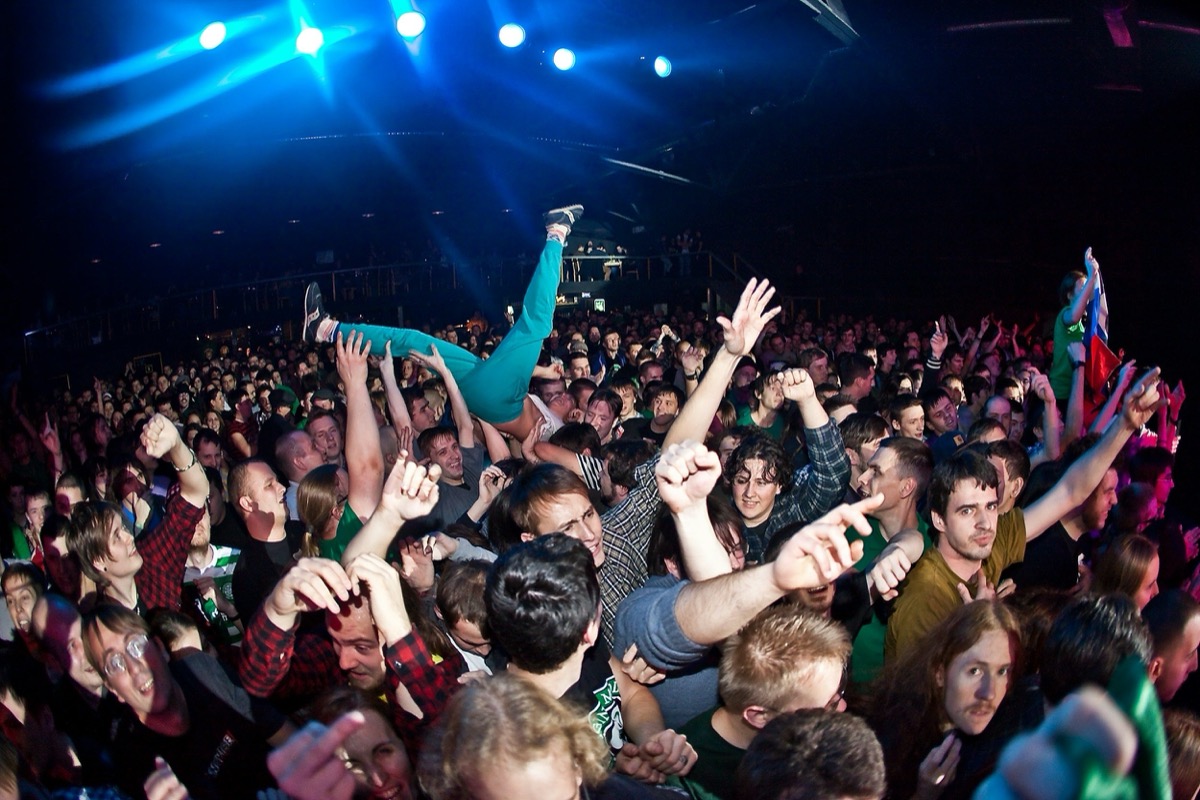
For years, I lived in parallel worlds. By day, I was immersed in design, teaching myself the visual language that would become my foundation. By night, I was deep in the local music scene - playing in bands, designing for bands and lugging my Presonus Firepod around town recording bands. Each role taught me something different about how artists think, work, and grow.
The lines between these worlds started to blur. I noticed how visual elements shaped the way people perceived sound, how brand identity influenced the entire listening experience. This wasn't just theory - I was living it, experiencing it from every angle. From designing my first band logo to producing funk bands to touring as a creative director, I was building a unique perspective on the relationship between visual identity and sonic art.
Then life intervened. After losing my mom in 2014, I channeled my grief into two albums - BLOOM (2015) and BIRDS (2018). These projects taught me something profound: our internal narratives shape everything we create. The way we see ourselves, our story, our place in the world - it all comes through in our work, whether we're conscious of it or not.
The real turning point came in January 2020. I was working with mix engineer Jon Castelli on his brand, but our conversations kept expanding beyond logos and websites into deeper territory - creative process, business strategy, personal narrative. That's when everything clicked: you can't just design a beautiful solution for a foundation that needs work. It's like trying to mix a song that hasn't been properly recorded - you have to address the source.
That insight — that you can't design a beautiful solution for a broken foundation — became the thing I kept coming back to. With every engineer I talked to, the pattern was the same: talented people stuck not because they lacked skill, but because nobody had ever helped them look at the foundation underneath their work. Their positioning. Their story. Their relationship with what they were actually building.
So I started coaching mix engineers. Not on mixing — on everything around the mixing. The business they weren't running. The outreach they were avoiding. The identity they hadn't defined. The gap between where they were and where they wanted to be, and why that gap had nothing to do with plugins or gear.
Since then, I've had real conversations with over 1,500 audio engineers and producers. Not surface-level exchanges — actual back-and-forths about their careers, their fears, what's working, what's not, and what they've been told by an industry that profits from keeping them in a cycle of consuming instead of building.
What I've learned is that most of the conventional wisdom in this space — "build your brand," "create a funnel," "scale your business" — was designed for a completely different kind of work. Mix engineering is subjective, relationship-driven, and deeply personal. The playbook has to be different.
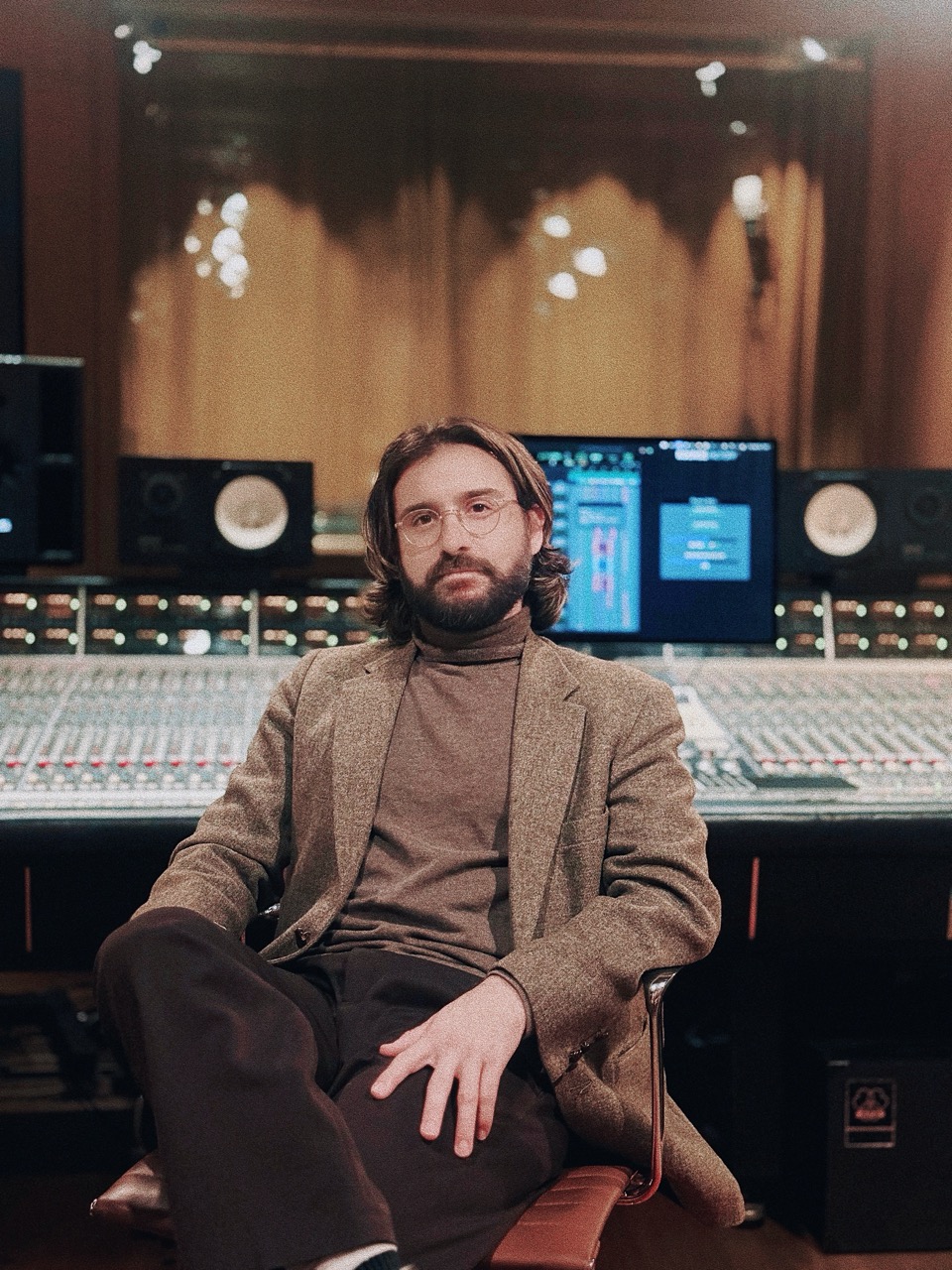
That's what I do now. I coach engineers one-on-one. I build brands for pro audio companies. I write about the things this industry doesn't talk about. And I'm still, in some way, doing what I did at 14 — helping people in music figure out how they want to show up in the world. The stakes are just higher now, and I've stopped pretending the answer is ever just on the surface.
If this is the part of the business that feels stuck, the Strategy Call is sixty minutes of looking at your specific situation and mapping out what to do next.
Want a self-serve diagnostic first? The Business Reality Check grades twelve systems in your business and shows you where the real bottleneck is sitting.